
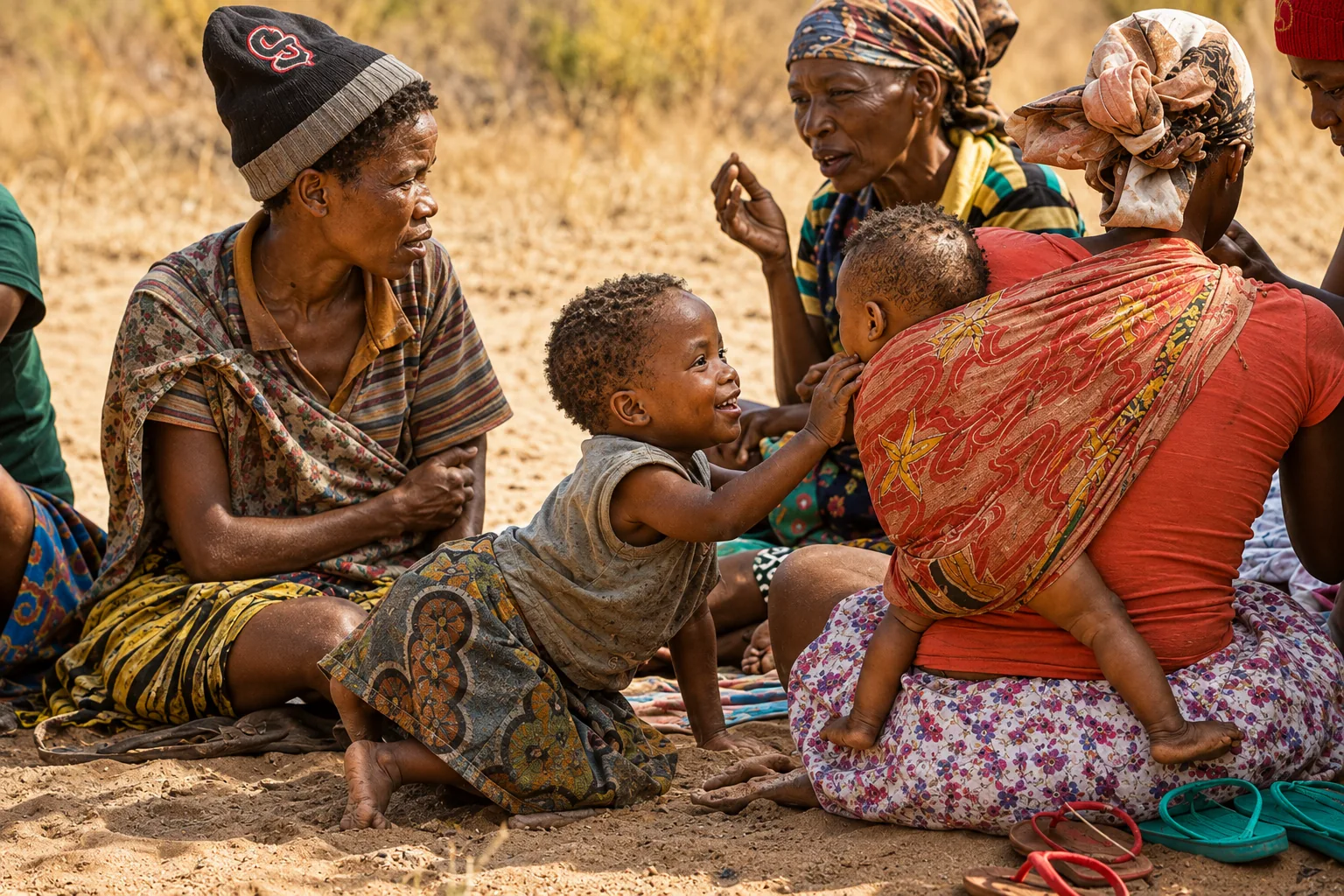
01 · Heritage
Language lives in community
Language is carried through relationships, stories, everyday life and knowledge shared between generations.
Toa ta na hae. Ti cune Davi.be, tire Tjwa, ti kua Tjwao dam k'ui. Ti kua karise toa aiboka hi hua hha
(Good day, my name is Davy, I'm Tjwa, I speak Tjwao. I would like to welcome you to our site.)
Tsoro-o-tso San Development Trust works alongside communities to preserve, document and promote Tjwao language, San cultural heritage, education and local knowledge.
The Trust brings community experience, language work, cultural research and education together. The emphasis is on practical, respectful work that keeps knowledge connected to the people who hold it and creates pathways for younger generations to learn.
Preserving Tjwao also means protecting stories, identity, ecological knowledge, memory and the cultural connections carried through generations.
Language is carried through relationships, stories, everyday life and knowledge shared between generations.
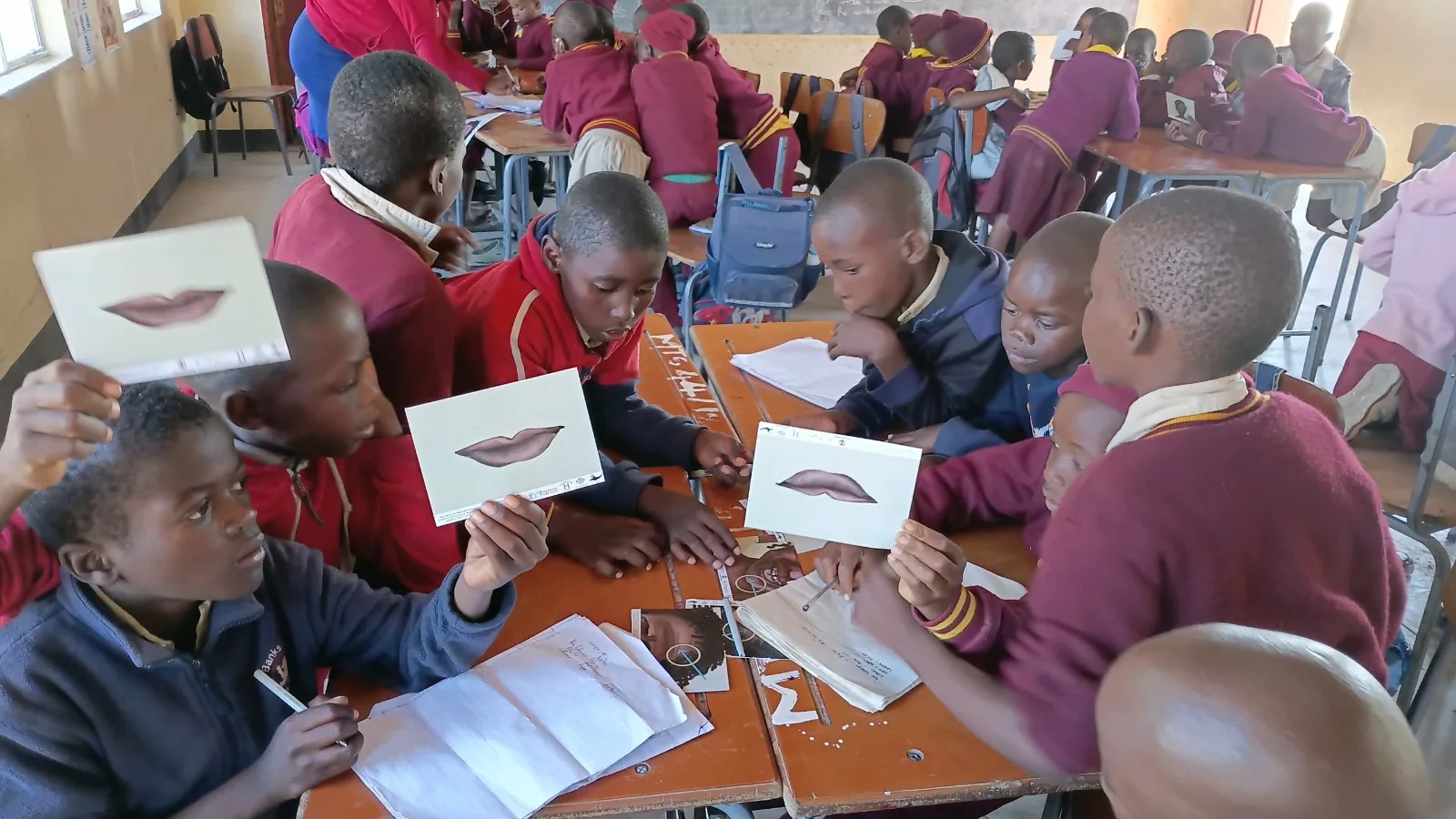
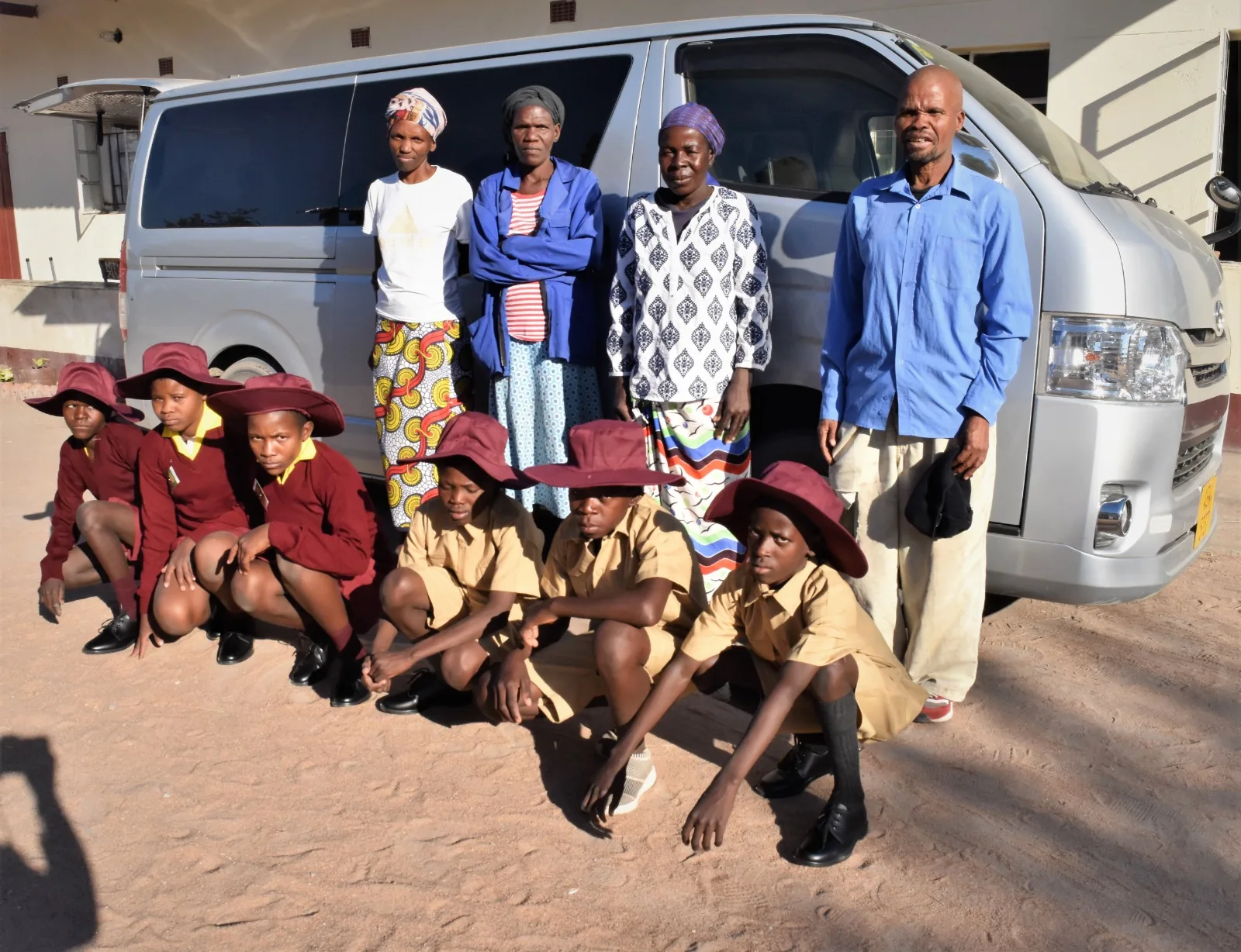
Children engage directly with words, sounds and learning materials in collaborative classroom activities.
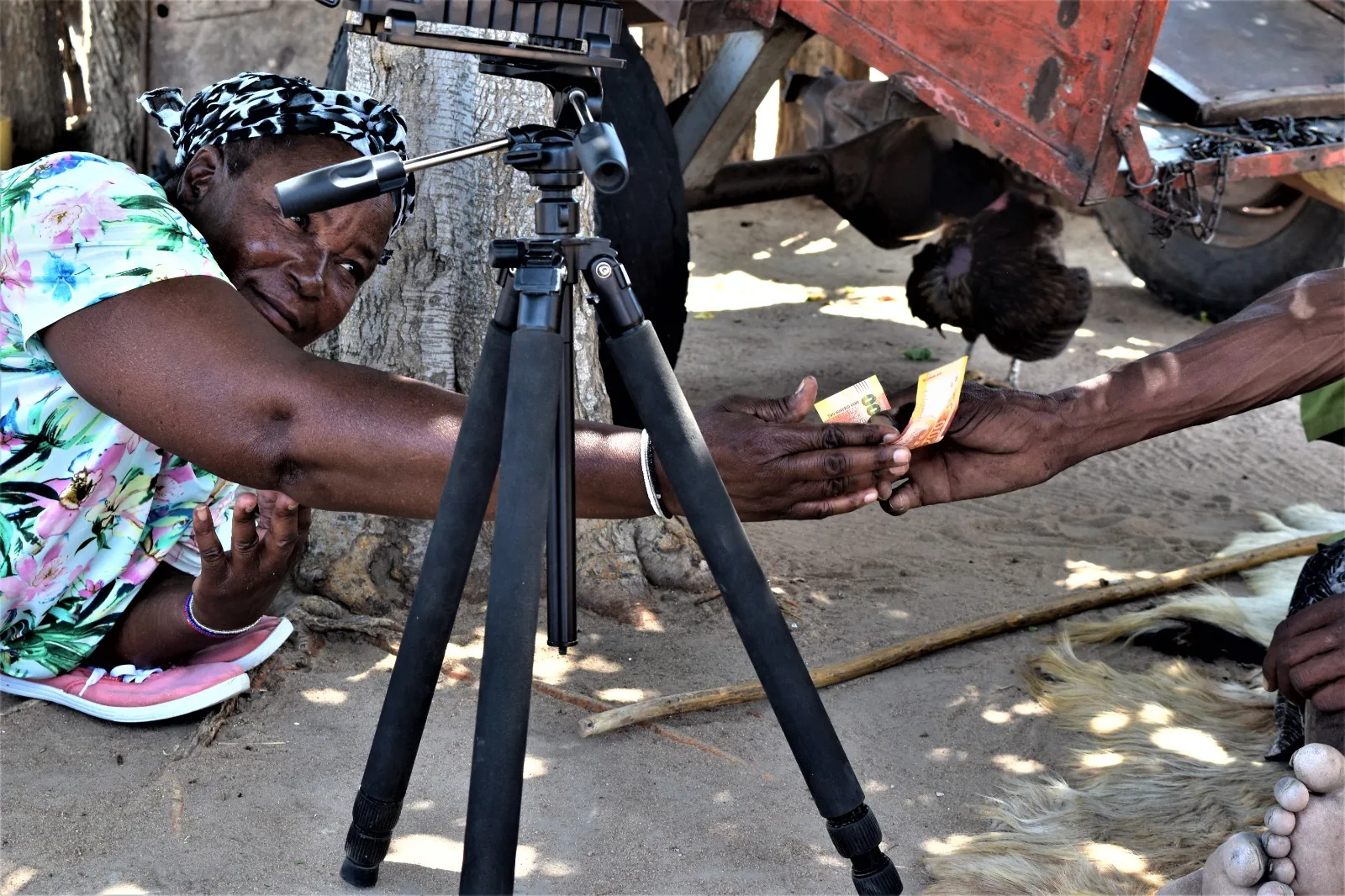
Research and documentation are grounded in direct engagement with people, place and lived experience.
Our work combines education, documentation, research and community participation.
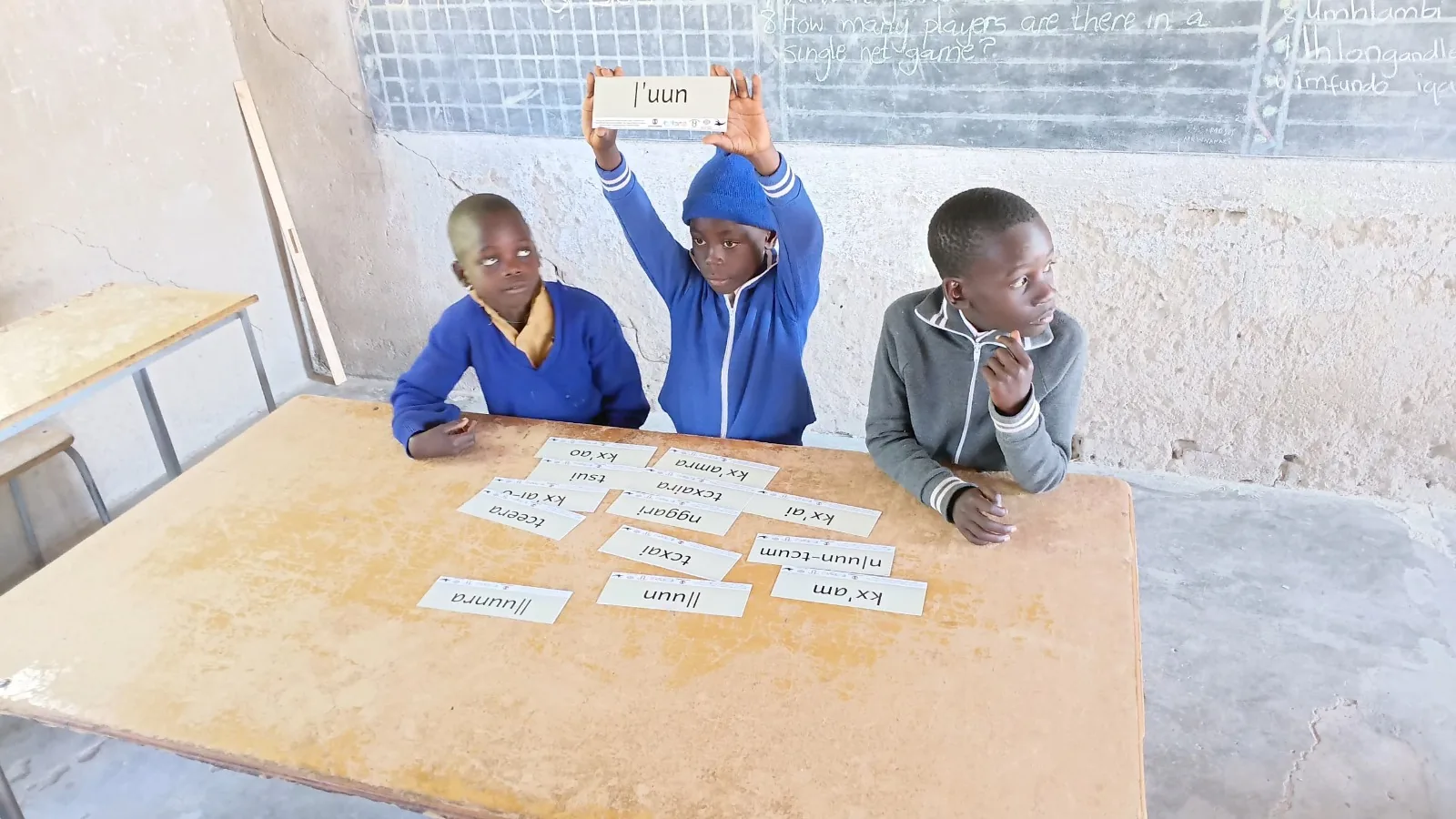
Hands-on language activities and learning materials that support children and community transmission.
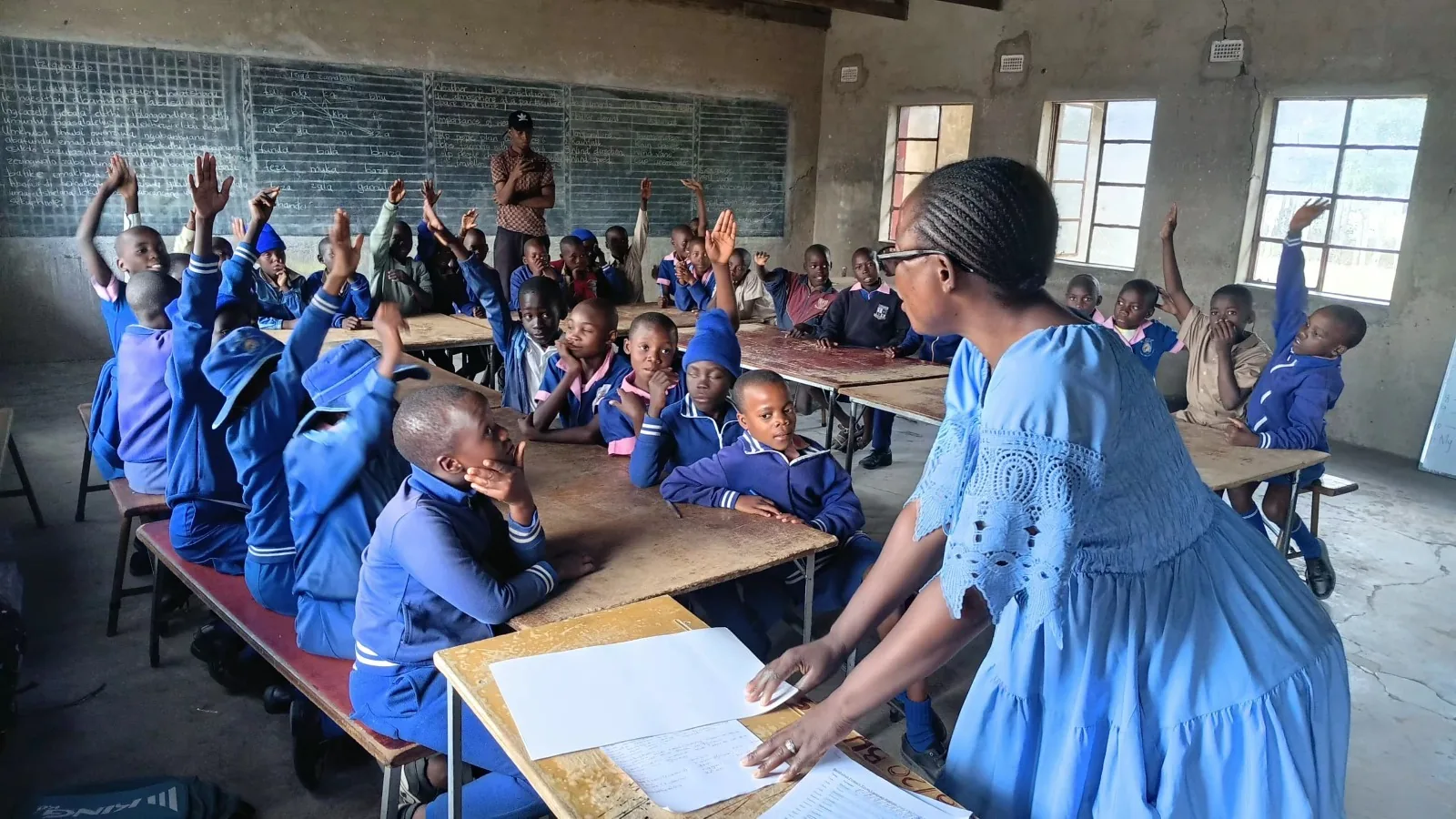
Learning through participation, discussion and direct engagement with people and local knowledge.
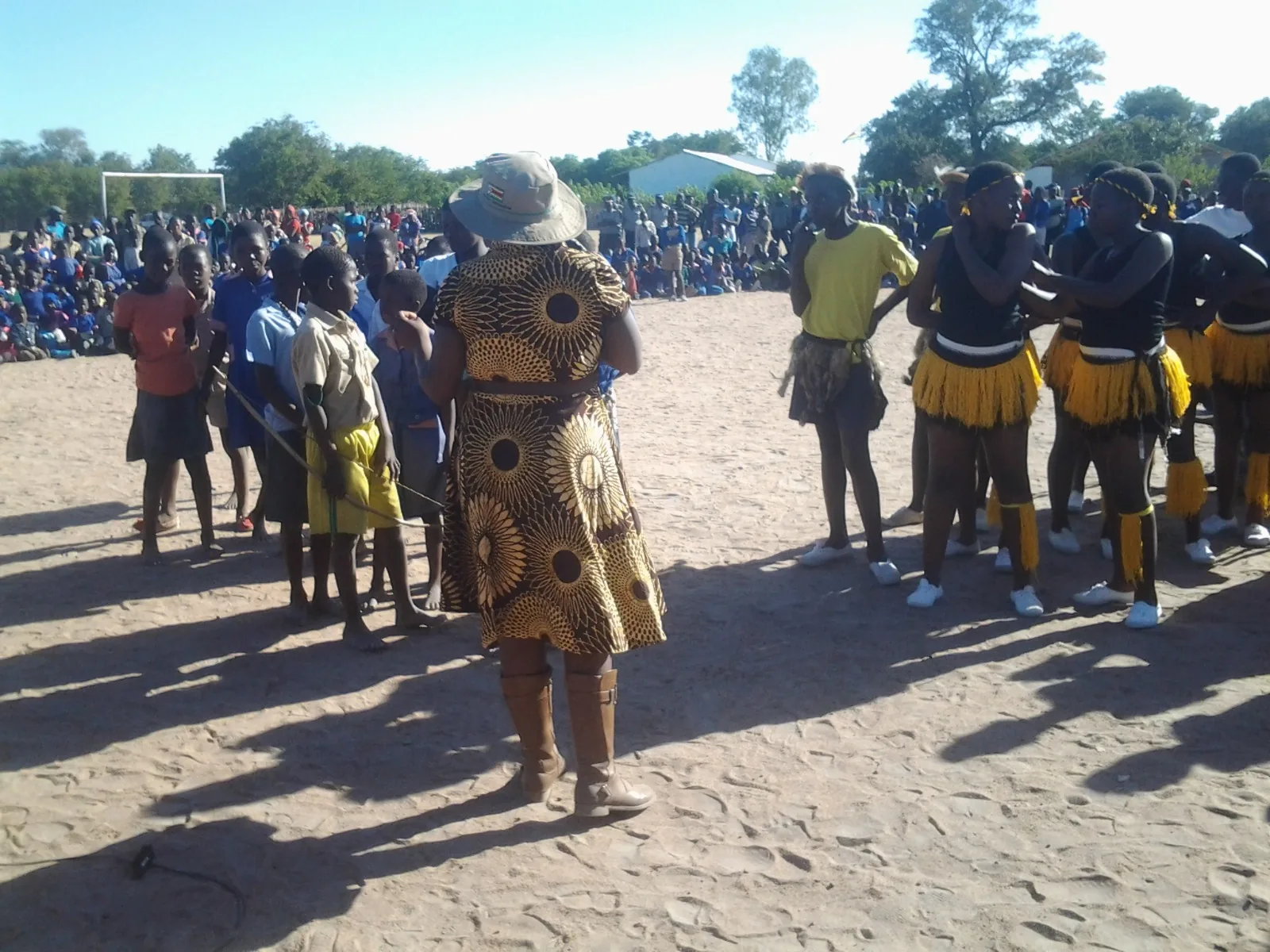
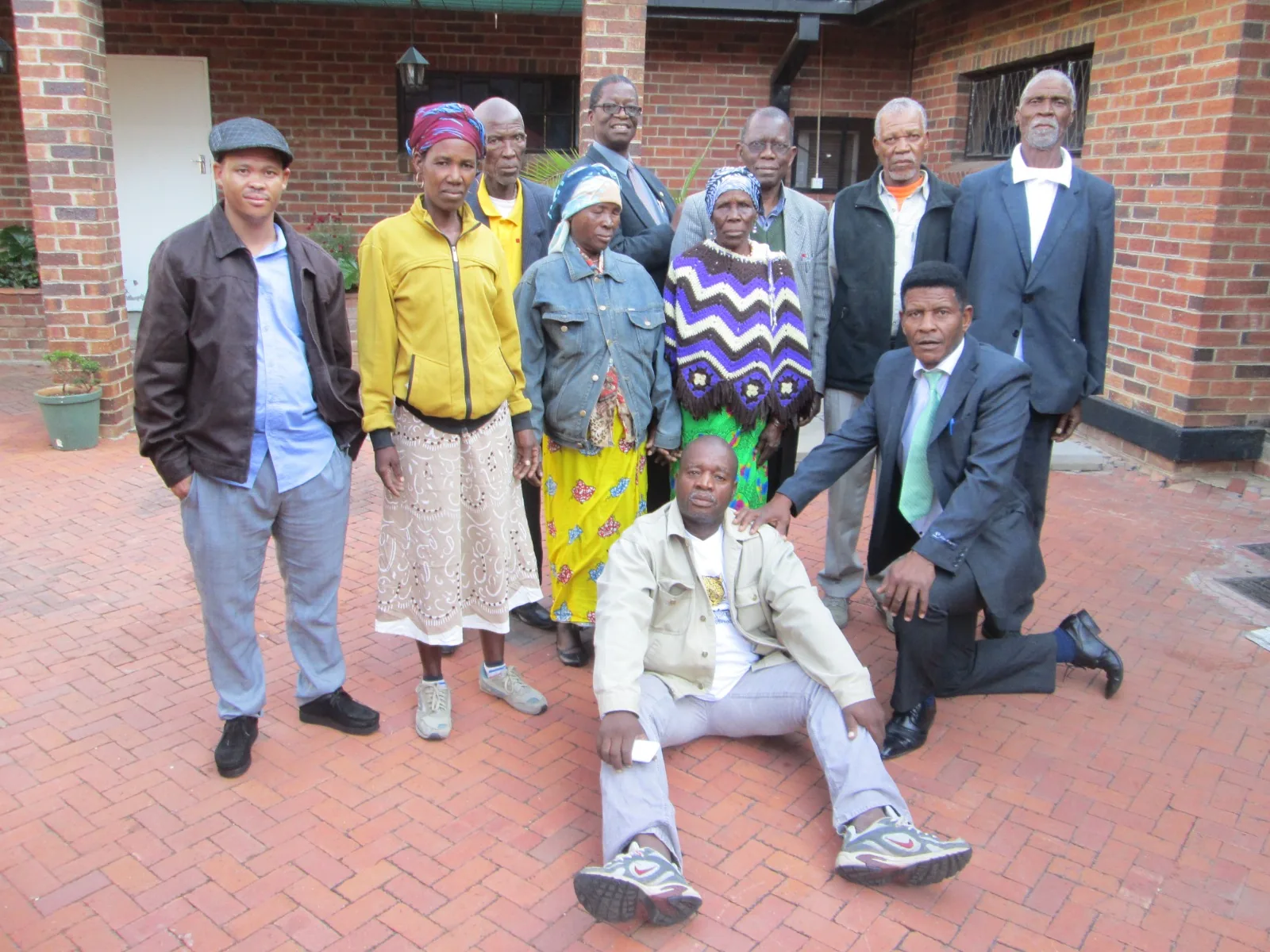
Language, culture and identity remain connected through community gatherings, performance and shared memory.
The pilot Tjwao language program is designed to create structured learning opportunities for children while drawing on community knowledge and aligning with education priorities.
The program responds to language decline caused by displacement, marginalisation, limited institutional support and the dominance of Ndebele, English and Shona.
It places language learning alongside community knowledge, research and cultural transmission, creating practical opportunities for knowledge to move from one generation to the next.
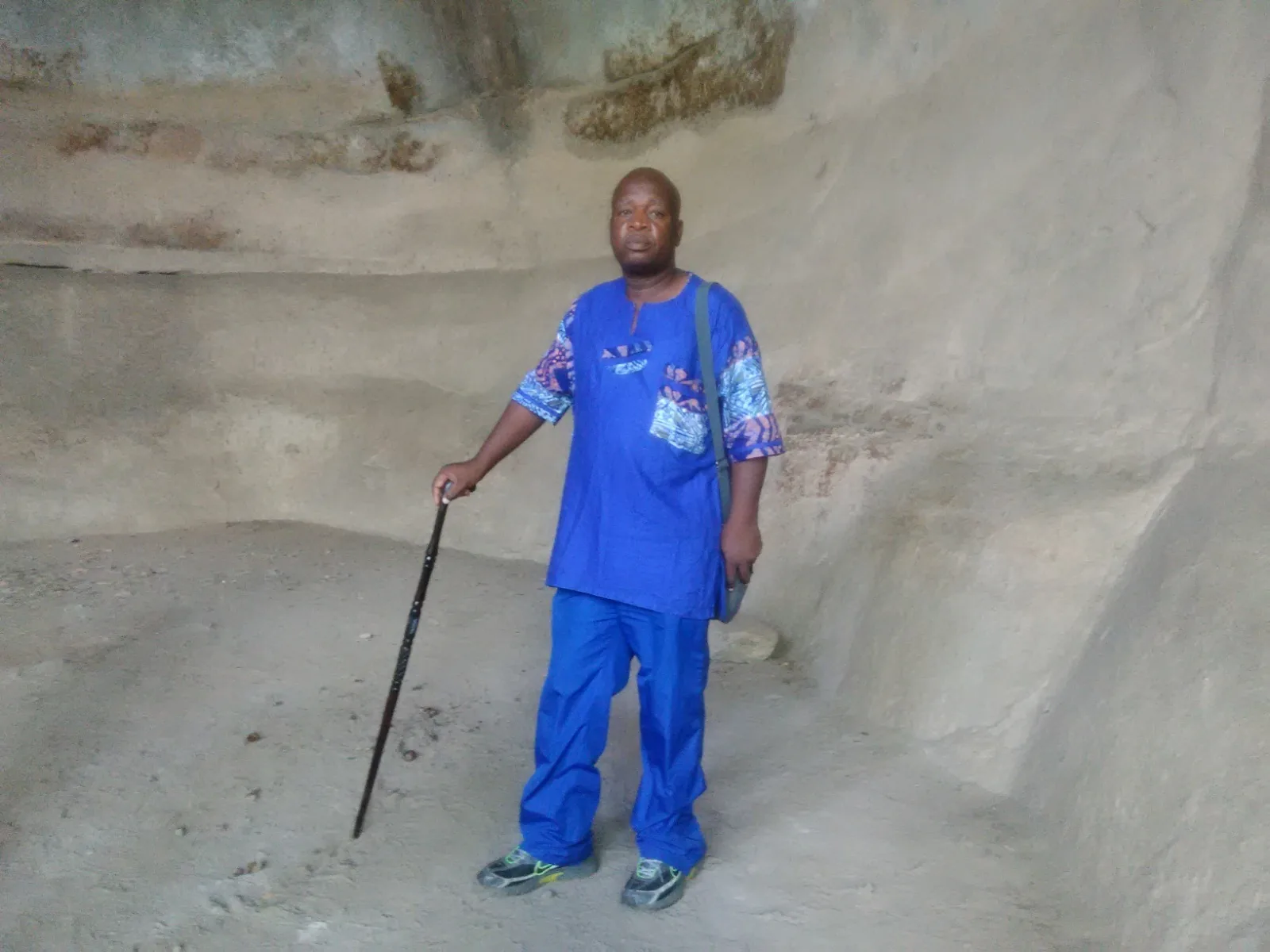
Mr. Davy Ndlovu is the founder and current Director of TSDT. He is a minority languages and cultural researcher with 13 years’ experience as a contemporary historian. He has documented, compiled and published several articles and books on the Tjwao language and culture and has collaborated with international, regional and local development and research institutions.
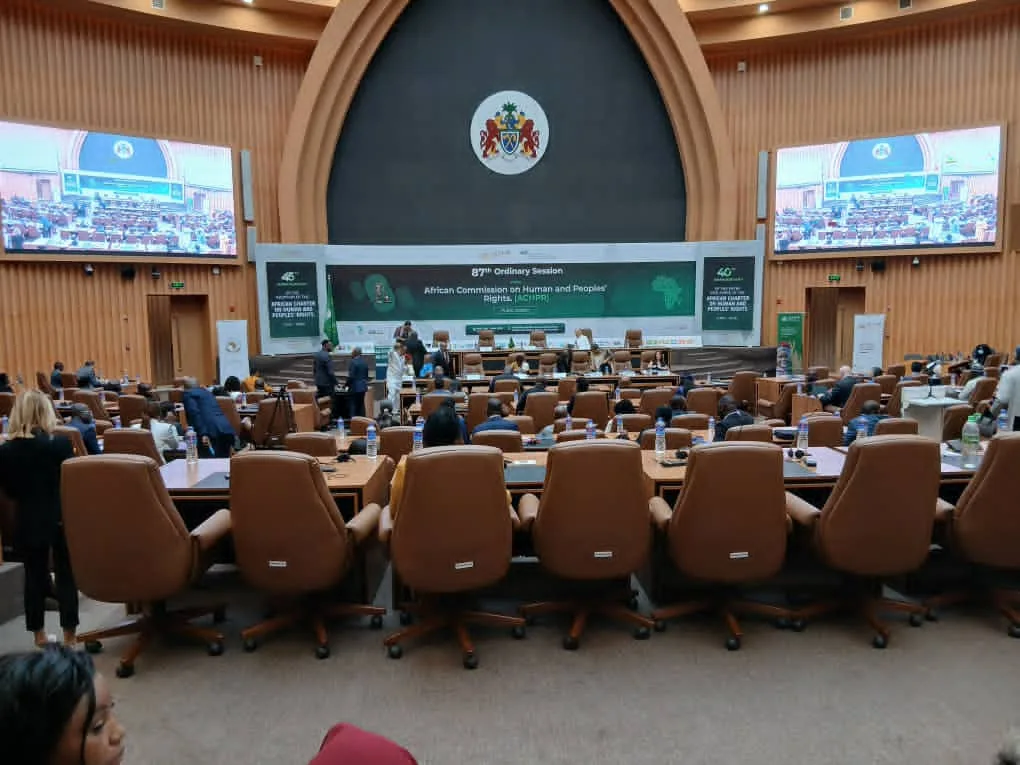
A visual record of language learning, classroom activities, research, community conversations, cultural heritage and wider engagement.
TSDT works with sponsors, communities and education partners to preserve Tjwao, strengthen learning opportunities and support the wellbeing of children and families.

B2B Program

Indigenous’ Rights and Climate Change programs
Document, protect and promote an endangered indigenous language and the knowledge carried through it.
Create language-learning resources that help children engage with Tjwao in structured, accessible ways.
Support the Tjwao language teaching pilot and after-school learning opportunities for children.
Help improve school environments so learners have safer, more supportive places to learn.
Help children access school uniforms and participate in learning with dignity.
Contribute to school-feeding support that helps learners attend and take part in school activities.
Tjwao is an indigenous language spoken by the Tjwao (San) people in Tsholotsho district of Matabeleland North and Plumtree district of Matabeleland South. It is classified as critically endangered, with fluency now confined to a small number of elderly speakers.
The decline of the language puts oral traditions, ecological knowledge and cultural identity at risk. Tjwao has not been systematically incorporated into formal education, leaving it vulnerable to further loss amid displacement, marginalisation, limited institutional support and the dominance of Ndebele, English and Shona.
This pilot seeks to create structured after-school learning opportunities for children, drawing on community knowledge while aligning with Ministry of Education priorities. Ministry officials have expressed commitment to supporting the initiative through approval letters, guidance and monitoring to ensure compliance with education protocols.
Aligned with the spirit of UNESCO’s International Decade of Indigenous Languages (2022–2032), the initiative aims to revive, preserve and promote Tjwao through community-led education, cultural pride and the transmission of language to younger generations.
Long-term progress depends on community knowledge holders, educators, researchers, development organisations and partners working together with respect for Tjwao people and culture.
Whether you are a researcher, educator, development partner, community member or supporter, we welcome conversations that can strengthen language preservation and cultural heritage work.